
renovations that increase home value

Renovations That Increase Home Value in BC: Our Top 8 Picks

Major Home Renovations & Home Appraisals:  What You Should Know

Are you planning house renovations and want to know the best home improvement investments? Or maybe you are planning to sell your house and are wondering about renovations that increase home value the most.

Whether you are planning to sell in the near future or not, most people want to be reassured that any major renovations they invest in will be reflected in an increased home valuation.

While any renovations that improve the function or look of your home are a good idea, some have a better return on investment value than others. If you are looking to sell quickly or have a limited budget, it is worth researching the renovations that increase home value the most.

As Vancouver Island’s home evaluation expert, D. Fritz Appraisals Inc. knows which renovations can add market value – and which will make your home more valuable to you but won’t necessarily increase the selling price.

Read on for our top 8 picks for renovations that increase home value in BC.

How is Home Value Measured?

When considering home value and how to increase it, are we simply talking about market sale price? According to the Canadian Appraisal Institute, value can be recognized in three ways:

1 – The Value of an Increased Sales Price – Renovations are done primarily to maximize value and profit from a sale.

2 – The Value of Getting to Enjoy or Benefit From a Renovated Space – Renovations are done primarily to improve your lifestyle in the home for the time you live there, which may also add market value in the future.

3 – The Value of Maintaining Your Property – Renovations that keep your home in a condition where it retains its market value. 

If we focus on increasing the market sale price, the value of renovations is usually measured by the possible Return on Investment (ROI). 

  • For example, if you spend $20,000 on a renovation and the valuation of your home goes up by $20,000, that is a 100% ROI. On a home valued at $500,000, that would be a 4% increase in home value.

Renovation ROI will be influenced by the current value of your home, your local housing market, how soon you sell after renovations and how much you spend.

A good home appraiser can help you decide what home renovations will provide the best value return on investment in your area.

Our 8 Top Picks for Renovations That Increase Home Value

When deciding what renovations to complete, consider the following 8 home renovations which have historically proven to bring the biggest return on investment:

  • Kitchen Remodel: 75% – 100% ROI 

At the heart of the modern home, a kitchen can make or break a sale. A functional and neutral refresh will increase value and saleability. Consider new appliances, backsplash, cabinetry or hardware. 

*Unless you plan to live with it for a while, don’t go too high-end, as the return will not be worth it. 

  • Bathroom Refresh: 75% – 80% ROI

Buyers appreciate a fresh, clean and modern bathroom. Consider adding double sinks, upgrading the shower unit and refreshing the paint for the best return on investment.

  • Interior and Exterior Painting:  60% – 75% ROI

Fresh paint gives a high return and increases buyer appeal. Keep colours neutral inside and in keeping with your neighbourhood outside.

  • Structural Upgrades: 75% ROI

Buyers will be put off homes that are badly maintained. If your roof, windows or heating system needs upgrading, prioritize those over cosmetic changes. 

  • Flooring: 100%+ ROI

Remove wall-to-wall carpeting and replace worn flooring for maximum ROI. No need to install expensive hardwood. Buyers are looking for flooring that is clean and easy to maintain.

  • Energy Efficient Additions: 50% – 75% ROI

Such as upgrading your heating and cooling or adding solar panels. Anything that reduces energy use and costs will attract buyers and increase value. For the best ROI, enjoy living with these upgrades for a few years before you sell to reap the benefit of lower bills. 

  • Create More Living Space: 75% – 100% ROI

Buyers are looking for the most usable square footage for their money. Add extra space with an addition or basement renovation, but keep the finish neutral so buyers can choose how to use it. If you remain in the home, a basement rental suite can help you recoup the costs of the reno.

  • Curb Appeal: 80% – 90% ROI

First impressions count. Add value by painting or replacing your garage and front doors. Clean siding and replace any damaged sections.

TIP: Keep receipts and details of any renovation work done to prove the value and quality of the changes.

If your time and budget don’t allow for larger scale renovations, but you want to do something to increase both market value and saleability, this list of 11 easy renovations to increase the value of your home from HGTV star Mike Holmes is a good starting point.

How Your Appraiser Can Help You Choose the Best Renovations to Increase Value

Property appraisers understand the local housing market. They know what investments are giving good returns, can help you understand what your home may be missing compared to local comparative properties, and can give you an idea of what the value may be once improvements are made.

Appraisers can also provide post-renovation evaluations – so you can see what value you’ve added to your home from the work you’ve completed.

In addition, if you’re looking to get financial support for major renovations through a bank loan or mortgage extension, appraisers can provide the valuation your financial lender may require.

Call D. Fritz for Your Appraisal Needs

At D. Fritz, we pride ourselves on being on top of the local housing market, including understanding what buyers are looking for and what renovations will add value and attract buyers’ interest.

Our team can help with valuations for home renovations, mortgage financing and new construction, as well as for the division of assets and estate requirements.

We offer professional real estate appraisals throughout southern and central Vancouver Island from Nanaimo to Victoria and the Gulf Islands.

Contact us today to order an appraisal or for more information on our services.
 

missing middle housing

Is Missing Middle Housing the Answer to Victoria’s Housing Issues?

Uptake of the Missing Middle Housing Initiative is Off to a Slow Start

Victoria, BC, has been hailed as ambitious for its adoption of the progressive Missing Middle Housing Initiative in early 2023.

The initiative, which was approved in January after more than two years of research and consultation, aims to make it easier for developers to create multi-home developments that bridge the gap between apartments and single-family homes. The ultimate goal is to enable young families that are currently priced out of the single-family home market to achieve the dream of home ownership and remain living in and contributing to the city.

The Missing Middle Initiative removes the requirement for City approval for multi-unit plans on land previously zoned for single-family homes only, streamlining the process for these types of development to create a gentle density increase within residential areas.

As BC Government looks to introduce similar rules province-wide to help with the ongoing housing shortage, it seems, on paper anyway, that this initiative could make a positive impact on increasing the variety of housing available to buyers.

So why, a few months into the initiative, have no missing middle housing projects broken ground?

As Victoria’s premier appraisal service, D. Fritz prides itself on being up to date with all the housing market changes and developments in Greater Victoria. Missing middle housing promises to increase the pool of housing options for families who otherwise may feel they have to move away to achieve homeownership.

Read on for more information about what missing middle housing is, what the missing middle initiative aims to achieve, and what’s next for the missing middle in Victoria, BC.

What is Missing Middle Housing?

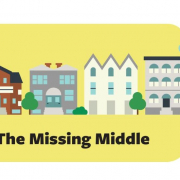
Missing middle housing is defined as a range of multiple-unit homes that are located in and are compatible with existing single-family home neighbourhoods.

Missing middle houses can be multi-plexes (duplex, triplex or fourplex) or townhome developments and are designed to bridge the gap between apartment living and single-family homes. These types of homes provide more diversity in the range of homeownership options, especially for young families who cannot afford to get into the single-family home housing market in Victoria.

According to the City of Victoria’s Missing Middle Housing Initiative, data shows that young people are leaving Victoria when they choose to start a family, in part because they cannot find affordable housing to meet their changing needs. By creating low-level, sympathetic density infill, missing middle housing will provide these families with the opportunity to enter homeownership and remain in the city.

Missing Middle Housing Initiative Purpose

The Missing Middle Housing Initiative was approved in January after two years of consultation, with the aim of making it easier to build alternatives to traditional single-family housing in Victoria.

The purpose of the initiative and its policies, which came into effect in March of 2023, is to:

  • Make it easier and faster to build multi-unit developments on what was previously single-family zoned land by removing the requirement for re-zoning applications.
  • Protect heritage or future heritage buildings by allowing low-density in-fill on the same plot.
  • Provide more housing choices within walkable, family-oriented neighbourhoods without impacting the aesthetics and feel of the area.

The initiative allows house-plexes, corner townhomes and heritage in-fill housing to be built on traditional single-family plots. Up to 6 houses can be built per plot without the need to re-zone. Missing middle developments must meet certain design and bylaw criteria, but overall the process will be faster and cheaper for developers.

Is the Initiative Showing Signs of Success?

The City of Victoria council has admitted that take up of the initiative has been slow so far, with some early feedback suggesting that this is because the cost to purchase land and develop multi-unit homes is too high for the projected return. It remains quicker and easier for developers to replace an older single-family home with a new one and also make a bigger profit than they would with a multi-home development. While this remains the case, missing middle housing may never expand as hoped.

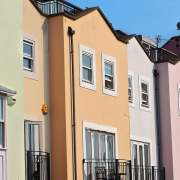
However, while costs seem prohibitive currently, there are signs that developers want to divert to this type of project. Some recently completed multi-family developments, such as this one in James Bay, are positive examples of infill projects similar to those being encouraged by the Missing Middle Housing Initiative. 

This particular project was started before the initiative was passed and, as such, would have gone through many more bureaucratic loops before approval than would be required now. As the Missing Middle Housing Initiative takes a lot of these steps away, the future could be positive for developers with forward-thinking ideas like this.

What’s Next for the Missing Middle?

With the principle behind missing middle housing being lauded as one solution to the housing crisis and the likelihood of provincial uptake of some parts of the initiative, it is unlikely this approach will be completely rescinded. However, some additional changes and support may be required on a local and provincial level to help ensure its success.

Victoria City Council is already planning a review of the initiative, and further consultation with developers will likely be required to ensure processes and procedures support them in choosing to invest in and build this type of housing.

In June, Council also passed a motion tasking staff to track city policies that disincentivize the building of new ‘attached homes’ rather than single-family homes. This work will overlap and possibly feed into the future development of the Missing Middle Housing Initiative.

D. Fritz Appraisals for All Your Home Appraisal Needs

Whether you are looking to sell a home, purchase a new home, or are considering investing in a missing middle development, D. Fritz can help with all your appraisal needs.

With over 40 years of experience in the Victoria housing market, we can provide accurate and current valuations based on what the market is doing now and where it might go in the future.

We provide professional real estate appraisals from our home base in Victoria to Nanaimo and the Gulf Islands, and our team is approved for most banks, credit unions and private lenders. Contact us today to request your real estate appraisal.


using equity to buy a second home

Using Equity To Buy A Second Home

How to Use Home Equity to Buy Another House

Are you dreaming of owning a second home? Using equity to buy a second home can make your dream a reality.

Taking equity out of your home to buy another house can be a financially advantageous option, as it allows homeowners to tap into the built-up value of their primary residence without worrying about saving up for a second mortgage.

Home equity is like having money in the bank, but it’s tied up in your real estate. This article will discuss the definition of home equity and taking equity out of your home to buy another house in Canada.

What Is Home Equity?

Home equity is a homeowner’s financial stake in their property. It represents the difference between what they owe on their home and its current market value. Homeowners can access this equity through refinancing, taking out a second mortgage or HELOC.

Using equity to buy a second home can be attractive for those looking for additional real estate investments. Using existing funds from your first property, you can avoid taking out a large loan with high interest and a lengthy term. Plus, any future profits generated from rental income could simultaneously offset costs associated with owning two properties. 

How To Calculate Home Equity

Calculating home equity is essential in using it to buy a second home. Home equity is the difference between how much your house is worth and what you still owe on your mortgage loan. To calculate your current home equity, subtract the amount of money remaining on your mortgage from the estimated value of your property. 

Refinancing Vs Home Equity Loan Vs Line Of Credit

There are several options available for using equity to buy a second home. However, each option offers different advantages and disadvantages that need to be weighed when considering the best option for your particular situation.

Refinancing to Buy a Second Home

Refinancing involves replacing your existing mortgage with another, larger mortgage. This can provide access to lower interest rates and extended repayment periods, potentially saving money on mortgage payments. However, refinancing will also incur additional closing costs, such as appraisal fees and legal expenses, which the borrower should consider before making a decision.

Using a Home Equity Loan to Buy Another House

A home equity loan is similar to any other loan where you borrow a set amount from your lender at a fixed interest rate against the value of your property. Often referred to as second mortgages, home equity loans typically have shorter terms than traditional ones and require regular monthly payments until the balance has been repaid entirely. The downside is that because this type of loan uses your home as collateral, you risk losing your house if you default on repayments, so careful budgeting is essential.

Using a HELOC (Home Equity Line of Credit) to Purchase a Second House

A line of credit works differently than refinancing or getting a home equity loan. Borrowers get flexible access to their funds through the ability to draw funds up to the agreed-upon limit without having to reapply every time they need more money. This makes it ideal for ongoing projects but may come with higher interest rates than other borrowing forms of borrowing so make sure you understand all the details before signing any contracts.

*Regardless of what method you choose, always check if there are government subsidies available which could help reduce costs associated with buying your second home – these incentives vary depending on location, so do some research first!

Tips For Making The Most Of Home Equity Investment

Making the most of home equity investment requires careful consideration of various factors, including understanding your home equity, evaluating financial goals, and seeking expert advice to make informed decisions. Here are some tips to guide you in maximizing your home equity investment:

  • First, know how much equity you have in your home
  • Evaluate your financial situation to determine if using equity to buy a second home is the right choice for you
  • Compare different lenders and their offers to get the best interest rate and terms
  • Consider the length of your loan – longer loan terms can lower monthly payments but also increase the amount of interest you pay over time
  • Be mindful of borrowing more than your current mortgage balance, as this can increase the total amount of interest you pay over time
  • Taking out a home equity loan or line of credit can impact your credit score, so it’s essential to understand the potential consequences
  • The interest you pay on a home equity loan may be tax deductible, but consult a tax professional to understand the implications
  • Explore ways that you might reduce expenses like insurance premiums or maintenance costs so that more of your income is going towards increasing ownership stakes in both homes
  • Stay on top of regular payments to ensure that you keep building positive equity in both investments over time

D. Fritz Appraisals Can Help You With Your Next Home

Using equity to buy a second home in Canada can be an advantageous financial move for many homeowners. Considering all the pros and cons before investing in this (or any) loan or mortgage product is essential. 

Calculating your home equity is the first step.  Then you’ll need to decide between refinancing, taking out a home equity loan, or getting a line of credit. Finally, make sure you understand what you’re signing up for and how it will affect your bottom line before making any commitments.

D Fritz Appraisals has the skills and expertise to appraise your property at fair market value to get considered for a second home. We have provided reliable real estate lending, sales, and appraisals for four decades in Victoria, BC. 

We provide fast and accurate mortgage financing appraisals to homeowners, lenders, mortgage brokers, and real estate agents who need knowledgeable assessments of the local market. So, if you’re eager to move and buy your second home, give us a call. 

property tax appeal

Need a Property Tax Appeal?

What to do When Your Property Tax Assessment Seems Too High

In early January each year, every home in British Columbia receives its property tax assessment notice through the mail from BC Assessment. Some property owners may be surprised and possibly even concerned with their home property assessment amount.

Between 2021 and 2022, house prices in BC rose by an average of 23.3% with the increase even steeper in Victoria.  With BC Assessments predicting that property assessments will rise between 5% and 15% for 2023, it’s no wonder homeowners are concerned about how these cumulative increases will affect their BC tax assessment.

The good news is, if you think your BC Property Tax assessment is too high, there is an appeals process that you can follow.

Read on for more about how your property tax assessment is calculated, what to do if you think your assessment is too high and how a professional appraisal company can help you with your appeal.

How Do BC Property Tax Assessments Work?

Every year, BC Assessment creates property tax assessments for over 2 million homes in BC. These assessments provide a valuation of each property as of July 1st in the previous year (So 2023 tax assessments are based on the value of homes on July 1st, 2022).

These assessments are used by local municipalities to calculate your annual property taxes. While the actual dollar valuation of the property is not the basis for your tax bill (i.e. an increase in property value doesn’t always mean an increase in taxes), if you’ve seen a larger-than-average increase (based on the average change in home values within your community), your bill could be affected.

BC property tax assessments are calculated using a variety of information sources, including:

  • Land title
  • Real estate transactions
  • Aerial and street view imagery
  • Building permits
  • Property visits

BC Assessment’s team of appraisers take this information and look at it alongside property market data from July 1st. Sales of comparable homes in the local area are analyzed along with specific features of each home to establish market value.

Things that may affect your BC Assessment valuation include:

  • Type of property
  • Location
  • View
  • Size of home in square feet
  • Number of rooms
  • Any recent additions / improvements
  • Age of home
  • Garages / carports / decks
  • Comparable sales prices

Did You Know? Changes to land zoning could impact your assessment. However, if you have owned and occupied your residential property for over 10 years, the valuation must remain based on current use, not potential use of the land. Therefore, any potential development due to zoning changes would not be valued. 

How to Appeal Your Property Tax Assessment

In their 2021 Annual Report, BC Assessment notes it received 4,427 appeals that year, 10% of which were from Vancouver Island. According to the Times Colonist, this number is well below the approximately 20% of homeowners who should be appealing their property assessments each year.

If you think your property tax assessment is too high, there are some steps you should take to decide whether you should appeal.

  • First, use the online assessment search tool to see what other homes in your area, and homes comparable to yours, have been assessed at. The important thing to look at is the % increase. You may find that although your value has increased a lot, it is in line with the average for your area and so there is no case for appeal.
  • However, if you feel your home has increased significantly compared to your neighbours and other comparable homes, then you may have a case for appeal.
  • BC Assessment suggests anyone with concerns should contact them to have an informal discussion with an appraiser. If both sides agree a change is needed it can be done without having to go through a formal appeal process. 96% of cases were solved this way in 2021.
  • If following this initial discussion, you are still not satisfied with the assessment, you can lodge a formal appeal and request an independent review by the Property Assessment Review Panel (PARP). The PARP has the authority to investigate and adjudicate assessments and can make rulings to amend the issued assessment.

Remember: You must submit your appeal by January 31 – late appeal submissions will not be considered.

Once you have submitted your appeal:

  • Appeal hearings take place between February 1st and March 15th. You will receive a notice of hearing time and date. It is important you start to gather support information as soon as you submit your appeal. (See below).
  • PARP may issue a decision at the hearing or by April 7 at the latest.
  • If you remain unhappy with the decision of the PARP you may refer your appeal to the Property Assessment Appeal Board. The deadline for appeals to PAAB is April 30.

How to Prepare Your Supporting Evidence Package

One of the most important things to do after submitting an appeal is to prepare your supporting evidence package. At the PARP panel hearing, you will be given 6 to 10 minutes to present evidence to support your claim that the tax assessment is incorrect.

This evidence package should include:

  • Comparative properties
  • Evidence of real home sales in your neighbourhood 
  • Photographs of your home and comparable properties
  • Evidence of views, condition of the home and any damage requiring repair 

For more information on the appeals process and what to include in your appeal evidence see this useful guide.

How an Independent Appraiser Can Help Your Appeal

The key to a good property tax appeal package is to be concise and include relevant and clear information.

Not everyone has the time or ability to do this, but did you know you can get assistance from an independent qualified appraisal company to create your BC Assessment appeal package? Appraisers are experts in the local market and can pull together comparison information and an accurate valuation to support your appeal.

While an appraisal for the purpose of a property tax dispute is somewhat different to a regular appraisal, because it has to reflect the market as of the previous July, a good appraisal company will be able to help.

Get Support in Your Property Tax Dispute From D.Fritz Appraisals Inc 

At D Fritz Appraisals Inc, we have over 24 years of experience appraising homes in the Victoria, BC, region and consider ourselves to be experts on Vancouver Island housing market conditions.

Not sure whether you have a good case to appeal property tax assessment? For a nominal fee, D.Fritz offers a telephone or online consultation to offer direction on whether you should proceed with your appeal or not.

If you decide to go ahead with an appeal, contact us at D. Fritz as soon as possible to book a time to carry out your appraisal.

home appraiser

Home Appraisals – What Do They Look For?

How Home Appraisers Decide on the Value of Your Property


There are many reasons you may need to know the value of your property and for this, you need a home appraisal.

Home appraisers are trained to inspect and measure your property and perform comparisons that result in an accurate valuation for the current housing market.

Home appraisals are a vital part of the home buying process as they have a big influence on the amount a lending institution will loan the buyer. They are also used to assess the value of the home for home improvement loans and insurance evaluations.

Read on for more information about how a home appraiser determines the value of your property.

What is a Home Appraisal and Why is it Important?

A home appraisal is a legal document containing information that determines the current fair market value of a new or existing property. Financial institutes or mortgage lenders will require an appraisal to ensure the home is worth the amount of money being requested in the loan or mortgage.

Home appraisals are not just for when someone is buying or selling a home for themselves however, they are also important for:

What is Checked During a Home Appraisal?

There are two main parts to a Home Appraisal:

  • Inspection of the property
  • Research and analysis of comparable properties

Property inspection: As part of the appraisal process, your home appraiser will conduct an on-site inspection of the property. During this inspection they are looking at:

  • General characteristics of the home:
    • Size of home – square footage, number of rooms – especially bed and bathrooms
    • Functionality of design and layout
    • Any exterior amenities such as garage, deck, pool
    • Type of foundation
    • Whether a basement or attic are present and their state of finish

Note that appraisers are not looking for any signs of damage to the foundation, basement, attic or mechanical equipment – that would be done by a home inspector as part of the conditions of sale.

  • Quality assessment:
    • Current condition of internal and external aspects of the home – including material and state of walls, floors, roof, windows
    • Type and age of plumbing and other systems (condition would be determined during a home inspection)
  • Any improvements that have been made:
    • Updates to kitchens and bathrooms
    • New efficient heating and cooling systems
    • Recent replacement of major ticket items like windows / roof
    • Energy efficient features such as HVAC, energy star appliances

Note: Home appraisers only look at the fixed features of the home. They are not assessing décor or any feature that is considered removable.

  • Lot:
    • Size and topography of the lot
    • View (including negative views)
    • Vehicular access
    • Any existing easements or zoning issues
  • Location:
    • How well does the home fit in with the surrounding neighbourhood?
    • Local amenities – how close is the home to hospitals, schools, shops and public transport corridors?
    • Crime levels and general condition of the neighbourhood

Comparison to similar properties: As part of the research involved in a home appraisal report, the appraiser will compare the home with others that have recently sold that:

  • Are in the same or similar neighbourhood 
  • Have comparable features such as size, number of rooms, age

The appraiser will review the sale price of these similar homes and make adjustments to account for any differences between them and the home being appraised.

How Does a Home Appraiser Determine Value?

When compiling their final report, home appraisers will determine the final value using a combination of two out of these three methods:

  • Direct comparison: Value is determined by analyzing comparable properties.
  • Cost approach: Value is derived from the cost to replace or rebuild the property and its associated land minus any age-related depreciation.
  • Income approach: Value is determined based on the rental income potential – usually only used when the property is being purchased for this purpose as an investment property.

The final appraised value of your home may be affected, either positively or negatively, by:

  • The location of the home
  • Current real estate market conditions
  • Size of home and number of rooms
  • Zoning in the neighbourhood
  • Future potential for development of the home

Things that can negatively impact the value of your property in a home appraisal include:

  • Delayed maintenance
  • Dated or undesirable features
  • Undeclared repairs
  • Inexperienced appraiser – make sure you choose a professional appraiser who is in good standing with the Appraisal Institute of Canada and who has a good understanding of the local market conditions where your property is located.

How Can You Help Improve the Appraisal Value of Your Property?

If you are preparing for an appraisal on your home there are a few things you can do to help improve the final appraised value, such as:

  • Prepare – treat an appraisal the same as a house viewing – present your home in its best light.
  • Simple fixes – repair minor damage, paint over marks on walls etc.
  • Paperwork – gather any relevant paperwork that supports the valuation of the home such as property tax bills, HOA fees, receipts and permits for any improvements or upgrades.

This pre-appraisal checklist for homeowners is a great starting point for anyone looking for the best ways to positively influence their final appraisal value.

Get Expert Help from a Local Qualified Home Appraisal Team

If you need an appraisal on your property for any reason, make sure you use an experienced and qualified appraiser like the team at D.Fritz Appraisals Inc. Based in Victoria, BC and offering home appraisals across Vancouver Island and the Gulf Islands, our team of appraisers are all in good standing with the Appraisers Institute of Canada and have superior knowledge of the local market.

Whether you are a property owner, real estate agent, mortgage broker or lawyer, we can provide quick and accurate home appraisal services. Contact us today to let us know how we can help with your home appraisal needs.

buying real estate online

Buying a House Sight Unseen – What You Need To Know

Online Home Buying Tips For Remote Purchasers

The real estate market has changed dramatically in recent years. Due to demand for homes being higher than supply, buyer preferences and buying methods have had to change and more people are resorting to buying real estate online or sight unseen.

When demand outweighs supply and quality homes enter the market, they often sell fast. This sometimes generates bidding wars and buyers need to move as quickly as possible, otherwise, they could miss out.

In a hot real estate market, you may even have to submit an offer before you get the chance to tour the house in person. 

This is why buying a house sight unseen has become an increasingly popular choice for buyers. 

While this may be a great strategy in a competitive real estate market, buying sight unseen can have its own set of challenges. 

What Does “Buying a House Sight Unseen” Mean?

Purchasing a home sight unseen means buying it without visiting the property first. 

Typically, home buyers will have looked at pictures and videos online. They’re likely to take a virtual tour as well. 

It may sound strange to buy a home without having set foot in it, however, buying sight unseen is becoming commonplace within the real estate market

Why Buying Sight Unseen Has Become Popular

As more people are choosing to relocate to BC and Vancouver Island from out of province, more homes are getting bought sight unseen. 

We know that prospective home buyers have to move quickly in a competitive housing market, but there are a number of reasons why buying a house online has surged in recent years.

  • Physical distancing – these past couple of years have played a tremendous role in how prospective buyers make offers on properties. Why risk going into other people’s homes when it’s safer to limit physical contact?
  • Modern technology can give us higher quality photos and videos than ever before. This can give a much better sense of what the home looks like. 
  • If you are moving from out of the area, It can be costly and time-consuming to travel to view potential homes. A remote buyer can rely on an experienced real estate agent or broker to find the best property and receive their own personal virtual tour of the home via a video chat app.

Even with a trusted real estate professional on your side, you should always choose to get a professional inspection and appraisal of the home to give you peace of mind during the process. 

How To Make A Sight Unseen Home Purchase

Buying sight unseen isn’t that different in comparison to a traditional home purchase.

Instead of an in-person tour, you’re using online photos, videos, and virtual tours to help you make an informed decision. 

It’s a good idea to hire an experienced real estate agent who knows the area well. Always communicate exactly what you’re looking for, and keep your list of must-haves for your dream home as refined as possible. 

Think about the size, location, and house style you’re looking for. Leave out any minor details that can slow down the search process. 

If there are any deal-breakers, let your real estate agent know early on. This is so they don’t waste any time looking at the wrong properties. 

An experienced real estate agent will be able to deal with any issues should they arise. 

Steps to buying a property sight unseen:

  • Evaluate the property remotely using photos, videos, facetime or video tours and descriptions provided by your real estate agent
  • Get pre-approved for a mortgage to show the current owner/seller you can afford to finance the home
  • Make an official offer to purchase the property from the seller
  • If the seller likes the offer and accepts it, you and the seller (or the lawyers) prepare the contract
  • Both parties sign the contract
  • You make a non-refundable deposit on the house
  • You have the property inspected and appraised before you remove conditions (Note that buying a home sight unseen often means not even having the opportunity to do an appraisal or home inspection. This is NOT advisable in most cases!)
  • If you’re satisfied with the inspection and appraisal, the sale continues and you finalize the details with your lawyer and the bank.

As with any home purchase, you’ll schedule a closing date to sign your final loan documents.

Once the mortgage is finalized, your lender pays the home seller, and the home title transfers over to you. Congratulations! You’re now the official homeowner. 

Pros & Cons Of Buying A House Sight Unseen

Pros of buying a home sight unseen:

  • You may purchase the property for less because you moved quickly enough to avoid a bidding war
  • Virtual home tours can be helpful when buying an out-of-province home
  • Virtual home tours can save money on costly travel expenses

Cons of buying a home sight unseen:

  • You won’t have the privilege of an in-person tour
  • You’ll have to rely on photos, videos, virtual tours, and the advice of your real estate agent and (possibly) a home inspector
  • There’s a higher chance of failing to see issues with the property
  • You may offer more than you’re willing to pay just to secure a home sale

While everyone wants to save money during the home buying process, don’t be tempted to cut corners on home inspections and appraisals. 

It’s always going to be in your best interest to get a professional inspection, especially when you’re buying sight unseen. 

Keep a close eye on the inspection report and the seller disclosures so there aren’t any surprises later.

Remember to ask a lot of questions before you purchase a home. When buying sight unseen, you’ll need to ask even more. It may feel like a burden but think of questions you normally wouldn’t ask. 

Take Extra Steps To Protect Yourself  When Buying a House Online

A professional inspection and appraisal is your one chance to get the current owner to cover repair costs. Or walk away if the issue is a deal-breaker. 

This is why a home inspection and appraisal are so important, especially when you’re buying sight unseen. This is your best defense against any major issues the current owner may have neglected to disclose.

While sellers might not like having conditions attached to the sale, it’s a good strategy which allows you to ask for more time, negotiate repairs, or back out based on findings from your home inspection and appraisal. 

Purchasing a home sight unseen is certainly riskier than the “normal” way of buying a home (i.e. doing a walkthrough and getting a home inspection and appraisal done). This is why it’s important to hire an experienced real estate agent and get a professional inspection and appraisal.

If you need an inspection or appraisal on a home in the southern and central Vancouver Island area, Contact D. Fritz Appraisals, who can provide an expert assessment of your future dream home. 


property division after a divorce

Divorcing? What You Need to Know About Property Division After Divorce

Know Your Rights About Splitting Property After Separation

How is a house divided in a divorce? That’s the question we’ll answer in this blog post as well as many other questions about splitting assets after separation. 

Everyone feels the need to find that special someone to share their life with. Deep and meaningful connections, whether it’s intimate or platonic, are what make the world a better place. You want to share your world with your partner, and they want to share it back.

Hopefully, most people will get a happily-ever-after. However, sometimes relationships simply don’t work out.

According to Statistics Canada, over 42,000 divorces were granted in Canada in 2020. 

If you and your spouse decide that it’s best to divorce or separate, how do you divide assets?

More specifically, how and when can you divide property?

When Can You Divide Your Property After a Separation?

According to the Government of Canada, there’s a significant difference between separation and divorce. 

A separation is when a married or common-law couple decides to stop living together. It’s important to note that if you’re married, separation doesn’t officially end the marriage. 

A divorce is when the marriage is ended through official court proceedings.

How you can divide your marital property depends on whether you and your spouse separate, or divorce. 

Before you start division of property, you and your spouse will need to figure out what your family property is.

What is Family Property?

Family property is everything you and your spouse own on the date you separate. 

The exception here is excluded property (more on that later). 

Family property not only means your family home, but includes:

  • Other land, houses, or condos
  • RRSPs
  • Investments
  • Bank accounts
  • Insurance policies
  • Pensions
  • Businesses
  • Cars
  • Pets

Even if only one spouse’s name is on any of these, the law says it’s still family property. This especially means your family home. 

If there is any property you or your spouse owned before you got together that counts as excluded property.

What is Excluded Property in a Divorce?

Excluded property is any property you or your spouse owned before you both decided to get married or live together in a common-law relationship.

That means it is not family property, and you don’t have to equally split the value. 

However, like most things, there’s a catch. 

If the excluded property increases in value over the course of living together, that increase counts as family property. 

That means only the increased value of your excluded property can be divided equally after separation. 

In other words, if you owned a property before you started living together with your spouse, when you separate, you won’t have to give them an equal share of its total value.

You will need to give them half of the increase in the house’s value since you started living together. 

The excluded property also includes property that you sold to buy a new family property. 

Tracing the value of the excluded property can be complicated, so it’s best to hire a professional for this task. 

What else is excluded property? Click here for a complete list of what defines the family property and excluded property.

How Does Family Property & Division of Assets Work?

After you and your spouse decide to end your relationship, you’ll need to divide the property you share. 

The law calls you and your partner spouses if you are married, or living common-law for at least 2 years. 

If you’re married, you may need to share the debts you owe, so it’s a good idea to act quickly when dividing your finances. 

In British Columbia, whether you were married or common-law, you must apply to divide property within 2 years after you get an order for divorce or from the date you separated. If you wait too long, you may lose your right to your share of the family property. 

When dividing property in a marriage, you and your spouse will equally divide the value of any property you bought during the marriage. You and your spouse will also equally divide any increase in value of the family property you bought into the marriage. 

However, there are some exceptions to this rule.

In British Columbia, if a couple wants to divide their family property or debt differently, they can opt-out of the property and debt division rules by making an amicable agreement. 

When dividing property in a common-law relationship, the property typically stays with the spouse who bought it. If the other spouse helped buy and take care of the property, they may have a right to part of it. 

If you and your spouse can’t come to an agreement on division of property, you may have to go to court. 

Whether you and your spouse are married or common-law, you’ll both have to agree to a separation agreement.

What Is A Separation Agreement?

A separation agreement is a legal, written record of how a couple has settled their issues related to their separation. 

While you don’t need a separation agreement to separate, it’s much faster and less expensive than going to court. 

Hiring a mediator or arbitrator can help you and your former spouse reach an amicable agreement. 

This may include:

  • How you’ll divide property and debts
  • Living arrangements
  • Spousal support
  • Custody of children
  • Child support payments

While you can prepare a separation agreement on your own, it’s a good idea to get legal advice from a divorce lawyer or a notary to help with the process.

Each partner should talk to a lawyer before signing to make sure both parties fully understand the separation agreement. 

Before you decide to split your family property, it’s important to get it professionally appraised.

Appraise Your Property Before Property Division 

When it comes to the division of assets in a divorce or separation, we at D.Fritz Appraisals understand how important it is to receive a fast and accurate appraisal of your family property.

Based in Victoria, BC and with over 40 years of experience, our team of professionals will find the fair market value of your home, so you can focus on moving forward. 

Contact us today!

investment property appraisals

Home Appraisals for Rental Properties

Investment Property Appraisals – What You Need to Know

Let’s take a look at investment property appraisals because it doesn’t look like our gold rush of a real estate market is slowing down anytime soon. Perhaps your family has outgrown your home and are thinking of moving but would like to keep your current place of residence.

Mortgages, property taxes, and utilities aren’t going to get much cheaper, so what’s a viable solution? 

If you are planning on moving or looking for more passive income, it might be time to rent out your property.

While having a new stream of cash flow can be exciting, you’ll also be taking on the role of a landlord

However, before you take on this exciting challenge, you’ll need a rental property appraisal first.

At D. Fritz Appraisals Inc., our team offers the most accurate, fair value assessments for rental properties. 

Why Rent Out Your Property?

Typically, when people sell their homes, they use the equity they have built in one house and use it on the next. But that’s not always the case.

Some homeowners will convert their primary residence to an investment property, and it’s usually done for one of two reasons.

  1. A homeowner might do this because the housing market is struggling, and they’re concerned their home’s value has dropped. By renting it out instead of selling it, they can hold on to the property and wait for the value to rise again. 
  2. Another reason to rent out your home is to increase your monthly income. By converting your primary residence to an investment property, your family can enjoy the perks of having their mortgage payments paid for.

But what’s the difference between a primary residence and investment property?

What Makes a Primary Residence or Investment Property?

Whether it’s a house or an apartment, you can only own one primary residence at a time.

If you are buying a home as a primary residence, you may be able to receive lower interest rates and lower down payments. Depending on where you live, you might be able to apply for tax benefits. 

An investment property is purely to generate income. If you are purchasing a home or apartment as an investment property, you may need a larger down payment and pay a higher interest rate.

Whether you are converting a primary residence to a rental property or purchasing an investment property, it can have its own set of challenges. 

What to Consider Before Renting Out Your Real Estate

One of the most important things to consider is your mortgage agreement. Typically, when you sign a mortgage, you must live in your primary residence for 1 to 2 years. If enough time has passed and you want to convert your primary residence to an investment property, you are free to do so.  

When your primary residence changes over to an investment property, your taxes are likely to change. You can benefit from a wide variety of deductions on your taxes, utilities, and much more.

Finally, you’ll need to speak to your insurance company. Switching from your current house insurance to rental insurance will likely increase your rates. This covers your building, but not your renters’ belongings – they would have to get their own renter’s insurance. 

With all of these things to consider, it’s time to get your investment property appraised. But how do professionals find an accurate assessment?

How to Value Your Real Estate Rental Property

With income from investment properties at an all-time high, rentals can offer an increasing source of revenue for your family.

While there isn’t just one solution to appraise your property, a combination of different methods can help you find an accurate assessment.

Here are some of the more common ways to value your rental property:

  • The Sales Comparison Approach

SCA is one of the most popular ways of valuing residential real estate. This involves a comparison of similar homes that have been sold or rented locally over a certain period. 

  • The Capital Asset Pricing Model

CAPM is a more comprehensive valuation model. This details the potential return of investment from your rental property and whether or not it’s viable. 

  • The Income Approach

This indicates the potential income for your rental property, compared to the initial investment. This approach is commonly used for commercial real estate investing. 

  • Gross Rent Multiplier Approach

GRM will value a rental property based on the amount an investor can potentially collect every year. While it’s easy to measure whether or not a property is worth the investment, this won’t take taxes, insurance, utilities, and other expenses into account. 

  • The Cost Approach

This model combines the land value and the depreciated value of any home improvements. While this approach can value newer homes reliably, it may not work for older properties. 

For more in-depth details about the appraisal process, feel free to contact us with any questions you may have. 

Deducting Taxable Income 

One of the benefits of owning a rental property is claiming tax deductions for any expenses related to the property. You can claim rental income and additional expenses on “Form T776”. 

The most common rental expenses can include:

  • Home insurance
  • Heat
  • Hydro
  • Water
  • Mortgage insurance

Claiming these expenses will save you money in tax deductions, but why not take it a step further? As long as it’s concerning your rental property, you can claim so much more.

You can deduct additional expenses such as:

  • Advertising your rental property
  • Bank fees and interest
  • Property taxes
  • Cable
  • Office expenses
  • Travel if your rental is in a different municipality
  • Repairs and maintenance
  • Salaries and management

Some expenses can be deducted in full if it’s spent to maintain the rental property. However, if your rental is a part of your primary residence, you can only claim a certain percentage.

Much like anything home-related, there are always stipulations on how much you can deduct. Check out rental expenses you can deduct from the Canada Revenue site to learn more. 

Get Your Fair Value Rental Assessment Today

While there is no one way to appraise the value of a rental property, it’s important to look at the different valuation methods before making an investment decision. 

By learning these valuation concepts and researching how to save on expenses, you could be well on your way to getting into the real estate investment market.

At D. Fritz Appraisals Inc., our team has over 40 years of experience appraising homes, offering the most precise assessment according to the market today. Our appraisers are certified, professionally insured, and committed to the appraisal process every step of the way.

 Contact us today for a professional appraisal of your rental property. 

Drones for Real Estate Photography

Drones for Real Estate Photography and Appraisals

The Rise of Drones in the Canadian Real Estate Industry

Using drones for real estate photography is a topic that drew a lot of chatter in the early 2010’s as a hotly debated topic among real estate agents. First used to highlight luxury properties with state-of-the art video listings on real estate websites, the use of aerial drone photography and videography for real estate transactions is now commonplace.

Drones used for real estate photography can provide detailed data for everyone involved in the purchase or sale of a home or business. Seeing how useful aerial photography has been in creating real estate listings, real estate appraisers are now also beginning to see the value in adding drone technology to their toolkits. 

With commercial drone use now legal in Canada, it’s worth considering whether drone photography and videography is also helpful for real estate appraisal inspections.

What is Drone Photography?

If you’re unfamiliar, drone photography is sometimes used to highlight the features of the surrounding landscape, neighbourhood and home exterior. This new perspective often helps real estate professionals show the property from a new perspective, making the most of its surroundings. Also known as UAS (Unmanned Aerial Systems), drones help build an impressive amount of information for real estate marketing and valuation. 

Drones for Real Estate Photography and Appraisals – Four Key Benefits:

  • Drones Can Capture a High Level of Detail

Drones can take sharp and clear photos, which are usually a much higher resolution than satellite images. The aerial footage allows for a higher level of detail, which lets an appraiser zero in on any potential issues to be addressed. 

Drones can also capture amazing shots that other forms of aerial photography just don’t cover. Traditional aircraft like helicopters can’t fly in unpredictable weather, which is where drones come to the rescue. They’re also not restricted by the same height limits as normal planes, allowing them to get better shots.

  • Drones Can Provide the Most Recent and Accurate View of a Property

When combined with old-fashioned boots on the ground, the use of a drone for real estate appraisals can upgrade a property inspection. Drones give you the ability to gather data that may not have been accessible before, due to conditions of the landscape, like steep or inaccessible terrain.

Land development, landscaping, paths, roads, parks, schools and other amenities nearby all contribute to a real estate appraisal. With the help of a drone, appraisers and other industry professionals can see all these features in an instant.

*What About Satellite Imagery?

Google Maps and other satellite imagery providers like Microsoft Bing only update about once every 1-3 years and sometimes 5+ years in rural areas. Plenty can happen in the development of a neighbourhood in a few short years. This is where using drones for up to date area photography comes in.

Current photos and videos let appraisers, lenders, realtors and sellers / owners get a real-time birdseye view of what exactly is happening on and around the property. This is especially useful for larger properties and acreages. 

Seeing a property from above and being able to take still photos and videos of the topography and specific features will help paint a much clearer picture for everyone involved.

  • Drones Provide Clients with Clear Evidence as to Why the Property Has Received a Particular Valuation

As a real estate appraiser, you want to be able to leave your client feeling completely confident in your findings of the valuation of their property. From time to time, clients are dissatisfied with a report and may want to contest the findings. 

When you can provide clear photographic and video evidence to support your findings, it makes it so much easier for your client to understand and accept the valuation that’s been assigned to their property. The more information and detail you include on the report and the more you can show the lender and the owner / potential buyer, the better.

  • Drones Can Be Safer for Harder to Access Areas

A high-quality drone used for real estate photography can be highly reliable for enhancing an appraisal inspection. It can access tight spots, investigate roofs, check the interior corners of an attic and more. 

Most drones now have a live view available through its proprietary app on a phone, tablet or controller with video imaging. This live view lets you see exactly what the drone is shooting so you can choose the best flight path to keep it from colliding with trees, wires and people. 

In addition to the live view, many new models have advanced automation and are developed with object detection and collision avoidance.

For instance, roofs can be difficult to access and awkward to navigate in any season. While a home appraiser or real estate agent isn’t required to go onto the roof, it’s important to know what kind of condition the roof is in. Rather than being left taking the client’s word for it or assuming the roof was replaced 10 years ago, flying a drone up and around the roof can locate any issues. 

If there’s any water pooling, overhanging vegetation, excess debris and more, the drone can find it and record it instantly for the inspection report.

While the drone pilot maneuvers around the roof, appraisers and agents can be on the ground checking out the foundation.

Drones for Real Estate Photography and Property Appraisals: Things to Keep in Mind

  • Any drone operator needs to apply for a Special Flight Operations Certification (SFOC) from Transport Canada. 
  • You will need to have at least $100,000 in liability insurance coverage. This helps cover you and your agency in case there is any personal or private or public property damage caused by the drone. This could be a drone flying into a power line, a drone interfering with aerial aircraft, a drone flying into a person, etc.
  • You need to contact NAV Canada for drone flight planning 2-3 days before each flight. NAV Canada will need to know the planned coordinates, date, time, length of flight, maximum radius and maximum altitude. If the flight is in close distance to an airport, you may need to coordinate with the air control tower before and after the flight. 

At D. Fritz Appraisals, our experienced team prides itself on accurate, comprehensive and professional property appraisals. We serve Southern and Central Vancouver Island, plus the Gulf Islands. If you’re looking to buy, divide assets, re-finance or sell, or would just like to know the current value of your property in this heated Vancouver Island real estate market, order your appraisal today or call (250) 413-7319. 


victoria bc missing middle housing

Missing Middle Housing in Victoria, BC

Victoria’s Missing Middle Housing Initiative

 As Canada’s housing market continues to hit record levels, young Victoria families are facing the decision to stay in condominiums and apartments or move elsewhere to be able to purchase a single-family home or townhouse with yard space.

The Victoria Real Estate Board now reports that the average price of a detached house in Victoria is over $1 million. The average price for a townhouse is about $750,000.

“None of my peers can afford to buy a house here, most will leave Victoria when they no longer wish to sacrifice their money to their landlords and would prefer to buy.” – Missing Middle Housing Survey Respondent.

At a time when housing prices and rental rates are the highest they’ve been in decades, being able to own a home with a yard has become a pipe dream for many British Columbian families.

Many Victorians pointed out that technically there are units in the city that they could afford, but that most units within financial reach are far too small for their families, with no access to a yard, and no pets allowed, so they are not able to live a full life.

It’s not just families either, it’s students and seniors who are finding themselves priced out of the market for a good, safe home.

What is Missing Middle Housing?

Missing middle housing is designed to address families and individuals who are being pushed out of the market for a single-family home. Missing middle housing types include townhouses, duplexes, triplexes and fourplexes. These three to four-storey units are meant to help diversify housing and provide options that extend beyond detached single-family homes or apartments.

What is the Missing Middle Housing Initiative?

The City’s of Victoria’s Strategic Plan (2020-2022) included an action in 2020 to consider a comprehensive amendment to the Zoning Bylaw to permit all “Missing Middle” housing forms as of right without the need for rezoning or development permit. 

This would make it much simpler for developers to create low-rise multi-family housing developments as infill in existing neighbourhoods. 

Also, rather than demolishing heritage homes to make room for Missing Middle homes, developers would be permitted to build developments designed for slightly higher (gentle) density housing. 

This protects heritage homes and potential heritage homes, while also breathing new life into the surrounding neighbourhood with the goal of increasing liveability, affordability, walkability and accessibility to amenities.

In addition, shared and private green space would be prioritized. In other words, the goal would be to create this gentle density while preserving the integrity and characteristics of the neighbourhood.

Where Can Missing Middle Housing Be Built?

The City of Victoria’s Missing Middle Housing Initiative is proposing that these townhomes and “plex” homes be built amongst existing detached housing in established neighbourhoods. The goal is to create ground-oriented housing that can increase housing choices, affordability for those housing choices, walkability scores and overall sustainability. In short, a home that is affordable for the average family, which cuts down on the need to use a vehicle to get around, with plenty of green space and shared garden/yard space.

“We need to allow flexibility with missing middle — and high gentle density, without requiring parking. If we continue to build for cars, we’ll continue to foster car culture. If we build for families, nature and neighbourhoods, we will foster community.” – Survey Respondent

What has Been Done So Far to Encourage Missing Middle Housing?

Victoria’s Housing Strategy is working to provide solutions by widely engaging members of the public from neighbourhoods all around Victoria and the Capitol region. Between March 2020 and May of 2021, the city of Victoria requested feedback via meetings, surveys, workshops and virtual engagement.

The feedback requested has focused on everything from housing preferences to barriers preventing families and individuals from being able to move from a condo or apartment to a single-family home or house plex.

Some of the main findings in the discussions and surveys;

  1. Parking – Parking space and access to outdoor space were cited as two key reasons for residents wanting a family home or house plex. Proximity to public transportation options was also a key point.
  2. Housing Affordability – One of the highlights from the initial findings was “prioritizing affordability over luxury design” suggesting that potential owners much prefer the indoor and outdoor living space to fancy finishings and custom features. One respondent said: “Housing should be affordable first, accessible second and life improving third.” 
  3. Rental Options – Another needed solution is the increase in rental housing for seniors and students. Survey respondents suggested that one, two and three-bedroom homes in Missing Middle Housing be prioritized for these groups who are currently struggling to find suitable housing. This could create a spectrum of affordability for both owners and renters.
  4. Sensitivity to Different Lot Sizes and Variety of Housing – Allow for flexibility to create attached dwelling units, garden suites, secondary suites, townhouses, house plexes and more, with different combinations on the same lot.
  5. Space for Growing Families – As more people work from home during the COVID-19 pandemic, there is also a demand for slightly larger units so that families can have home offices. A few respondents mentioned the difficulty in living in small suites since the pandemic started. As one respondent candidly put it, “Families can’t love in micro spaces!”

What Are Some Main Concerns About Missing Middle Housing?

Along with positive feedback and an eagerness to move forward with this initiative, residents have also expressed concerns, such as:

  1. Viability – This type of more affordable housing may not be viable for builders and developers. Larger apartment and condominium developments are much more financially sound developments, by sheer volume alone.
  2. Crowding – May create too much density in primarily single-family neighbourhoods.
  3. Widespread changes – Some feel that this type of development could alter streetscapes, reduce the feel of a quiet residential community, reduce green space and result in the loss of tree canopies.
  4. Urgency – In this housing crisis, housing is needed now. Feedback from Victoria residents indicates that renters need access to affordable housing right now, not in five years. The sooner gaps in housing choice and affordability can be addressed, the better. There is also a real urgency for families and residents who feel there is no financially achievable housing option for them within the city, even with well-paying jobs and savings.
  5. NIMBYism (Not In My Back Yard) – Residents may oppose any additional development in their existing neighbourhood. Some residents have expressed worries that multi-unit housing types will bring in more renters, more commercial buildings (shops, restaurants, etc.…) and drastically change their quiet residential neighbourhood.

Missing Middle Housing is an Ongoing Debate

With so many pros and cons attached to the Missing Middle Housing Initiative, it’s no wonder that responses are so split. 

As pricing in and around Victoria, BC continues to rise with no real end in sight, the City of Victoria is pushing ahead with gathering as much feedback as possible and working to educate existing homeowners on the merits of this gentle density housing strategy. 

Educate yourself and have your say in the virtual open house today. Take the Phase Two survey, watch the video below and explore all the feedback from Victoria residents to learn more.

YouTube video

Thinking about a move and wondering what your home is worth in the current marketplace? With over 40 years of experience, our team is approved for most banks, credit unions and private lenders. We provide professional real estate appraisals from our home base in Victoria all the way to Nanaimo and the Gulf Islands. Contact us at D. Fritz Appraisals in Victoria BC today to request your real estate appraisal.