Sustainable Development Projects in British Columbia
Sustainable Developments: Shaping British Columbia’s Future
British Columbia continues to lead Canada in sustainable innovation, reshaping how we build, live, and interact with our environment. Across the province, forward-thinking real estate and infrastructure projects are integrating green design, low-carbon technologies, and Indigenous partnerships to create communities that thrive both now and in the future.
From groundbreaking residential developments to neighbourhood-scale sustainability models, these projects show what’s possible when innovation meets environmental responsibility. At D. Fritz Appraisals, we’re seeing firsthand how these sustainable choices are beginning to shape real estate values and influence appraisal considerations across Vancouver Island and beyond.
1. Sen̓áḵw Development – Vancouver
The Sen̓áḵw Development is one of the most ambitious Indigenous-led urban developments in Canadian history. Located on Squamish Nation land near downtown Vancouver, this transformative project will deliver over 6,000 rental homes across 11 towers—some reaching up to 56 storeys—with approximately 1,200 units designated as affordable housing.
Designed with a strong focus on sustainability, Sen̓áḵw aims to be Canada’s first large-scale, net-zero operational carbon housing development. The project emphasizes dense, transit-oriented living and will include a new transit hub, nearly 4,500 bicycle stalls, and limited vehicle parking to encourage low-carbon transportation choices.
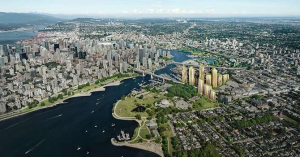
Image credit: Revery Architecture/Westbank/Squamish First Nation
Beyond energy efficiency and climate resilience, Sen̓áḵw represents a groundbreaking model of Indigenous economic development and land stewardship—proving that urban growth can align with cultural values and sustainability goals.
2. Dockside Green – Victoria
Dockside Green is one of the most recognized sustainable communities in North America. Located along Victoria’s Inner Harbour, it integrates LEED Platinum buildings, on-site wastewater treatment, a district energy system, and green roofs.
This long-term development also influences how sustainability factors are used in real estate evaluation. At D. Fritz Appraisals, we consider features like energy efficiency and location sustainability when assessing property value and long-term viability in emerging green neighbourhoods.
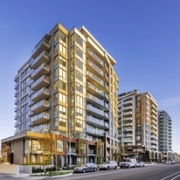
Image Courtesy of www.docksidegreen.com
3. Vienna House – Vancouver
Vienna House is a collaboration between the City of Vancouver and BC Housing that sets a new bar for affordable, sustainable housing. Built to Passive House standards using mass timber construction, the project dramatically reduces energy use while providing durable, long-lasting homes.
This model is setting new expectations for energy performance in multi-unit housing, an important consideration for appraisers evaluating similar future developments.
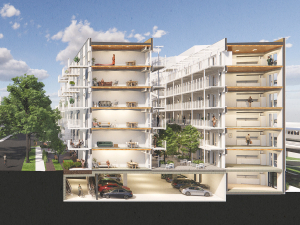
Photo Courtesy of ViennaHouse.ca
4. Evolve UBC – University Endowment Lands
Part of UBC’s Campus as a Living Lab initiative, Evolve is a Passive House, net-zero-ready development that provides housing for faculty and staff. Designed to cut operational emissions and support occupant well-being, the project uses advanced monitoring to track performance.
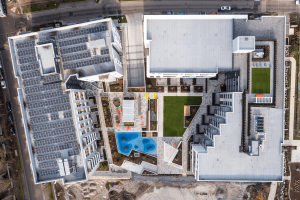
Image Courtesy of https://ubcproperties.com/project/evolve/
With increasing consumer and institutional demand for sustainable homes, developments like Evolve are shaping how the real estate industry, including real estate appraisers, understands the long-term market value of energy-efficient buildings.
5. Evergreen Terrace Redevelopment – Victoria
Victoria’s Evergreen Terrace Redevelopment (formerly BC Housing’s social housing site) is being reimagined as a mixed-income, sustainability-first community. It incorporates green design, increased density, and community-oriented planning.
As developments like this take shape, our appraisers work to capture the added value that sustainable design, improved livability, and walkability bring to urban residential spaces.
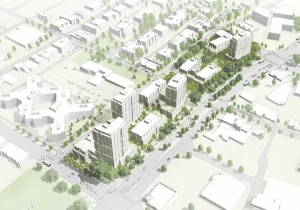
Image Courtesy of https://letstalkhousingbc.ca/victoria-evergreen-terrace
Making Smart Real Estate Decisions
At D. Fritz Appraisals, we understand that the real estate market is evolving, and sustainability is no longer just a bonus feature. Whether you’re buying, selling, or investing in a property, our expert appraisers take into account key factors like:
- Energy efficiency and green certifications
- Walkability and access to low-carbon transit
- Sustainable building materials and design
- Environmental resilience and long-term market appeal
By staying up to date on BC’s top sustainable developments, we help our clients make informed, future-focused real estate decisions across Vancouver Island and the Gulf Islands.
Frequently Asked Questions
What Makes British Columbia a Sustainability Leader?
BC’s leadership comes from its integration of green building policies, strong public support for climate action, and investment in long-term planning. Programs like CleanBC, the BC Energy Step Code, and municipal action plans make sustainability a cornerstone of development policy.
What Is the Most Innovative Sustainable Project in BC?
The Sen̓áḵw Development is among the most innovative—combining Indigenous leadership, clean energy, car-free living, and climate-smart design at a scale not seen elsewhere in Canada.
How Is Nature Integrated into BC’s Urban Planning?
Cities across BC are weaving nature into infrastructure through rain gardens, permeable pavements, green roofs, and urban forests. These features help manage water, cool cities, and create more livable communities.
Helping You Make the Right Investment
At D. Fritz Appraisals, we understand that buying, selling, or investing in real estate is one of life’s bigger decisions. That’s why we’re committed to providing you with the most accurate and reliable appraisal services across Victoria, lower Vancouver Island, and throughout the Gulf Islands.
As sustainability becomes a defining feature in the real estate market, having a clear understanding of how these innovations affect property values is more important than ever. Whether it’s a new net-zero home in a green neighbourhood or a commercial development prioritizing environmental performance, our team of certified appraisers brings over 40 years of local experience to help you assess real value—not just in the present but for the future.
If you’re looking to invest in Vancouver Island—home to some of the best places to live in BC—we’re here to support your decision-making with trusted insights and tailored evaluations. With our deep understanding of both traditional and evolving real estate factors, you can count on D. Fritz Appraisals to guide you confidently through BC’s dynamic property landscape.
Contact us today to get started—because smart decisions begin with the right appraisal.